
Real Relief from
Degenerative Disc Disease
Degenerative disc disease doesn't have to mean a lifetime of chronic pain and limitation. The right treatment can slow the progression, relieve the pressure, and get you functioning again — without surgery.
Degenerative disc disease is one of the leading causes of chronic back and neck pain — and one of the most frequently misunderstood. It's not a disease in the traditional sense, and it doesn't have to mean a permanent downward spiral. At Advanced Disc & Joint Solutions, we've spent 40+ years helping patients throughout Canton and Stark County manage DDD without surgery, injections, or a lifetime of medication.
Our approach starts with your specific imaging, your symptoms, and your history. Every treatment plan we build is designed around your spine — not a generic protocol. If degenerative disc disease has been controlling your life, we're ready to help you take it back.
What Is Degenerative Disc Disease?
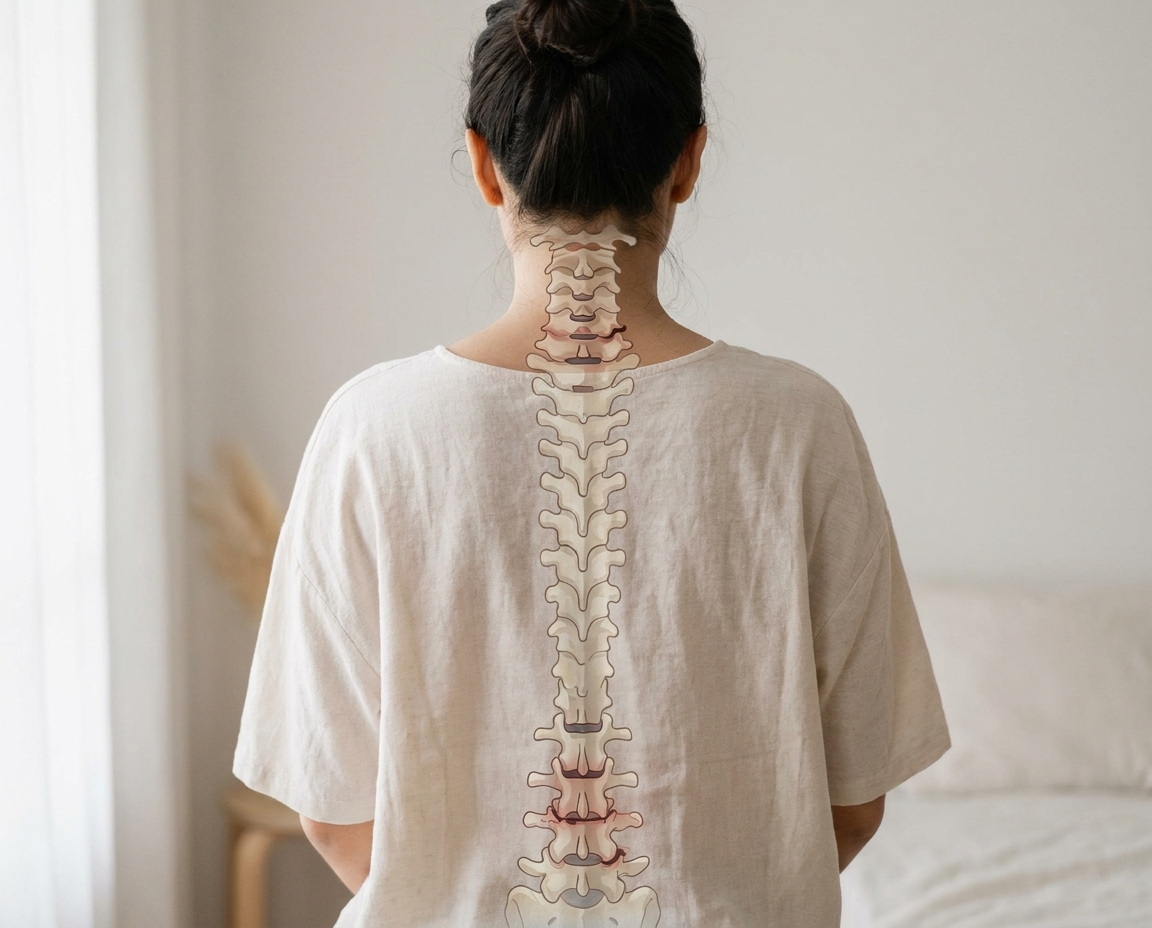
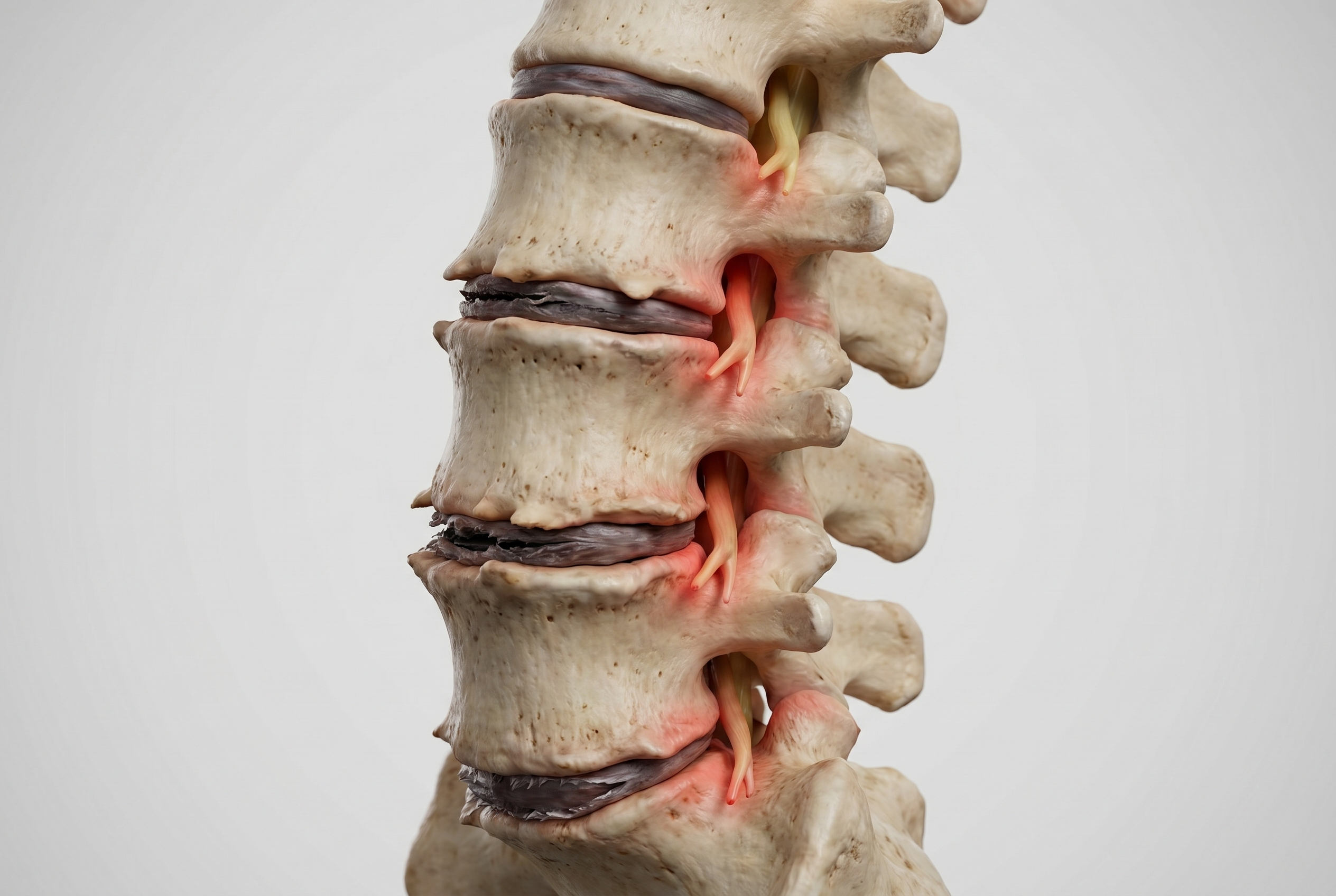
Despite the name, degenerative disc disease isn't actually a disease — it's a condition that describes the breakdown of the spinal discs over time. Each disc acts as a shock absorber between the vertebrae, with a tough outer shell and a gel-like interior that gives it height and flexibility. As those discs lose water content, height, and structural integrity, the spine loses cushioning — and pain, stiffness, and nerve irritation can follow.
DDD can occur anywhere along the spine, but it most commonly affects the lumbar (lower back) and cervical (neck) regions. Some people experience only mild discomfort; others deal with debilitating pain that radiates into the arms or legs, especially when disc breakdown leads to bone spurs, stenosis, or secondary herniations.
DDD is a progressive condition — but progression isn't inevitable. With the right intervention, many patients see meaningful improvement in pain, mobility, and quality of life without ever going to surgery.
What Causes Degenerative Disc Disease?
Disc degeneration is a natural part of aging, but the rate and severity of breakdown is influenced by a number of factors. These are the contributors we see most often in patients coming to us from Canton, Massillon, North Canton, and communities across Stark County.
- Normal Aging & Disc Desiccation — Discs begin losing water content as early as your 20s. As they dry out, they flatten, lose shock absorption, and become more vulnerable to cracking and tearing under load.
- Repetitive Stress & Occupational Strain — Jobs or lifestyles that involve repeated bending, twisting, lifting, or prolonged sitting place chronic stress on the discs that compounds over time — accelerating the degenerative process well beyond normal aging.
- Prior Injury or Trauma — A previous spinal injury — even one that seemed to heal — can disrupt the internal structure of a disc and set the stage for faster degeneration down the road.
- Genetics & Lifestyle Factors — Disc degeneration has a hereditary component, and lifestyle factors like smoking (which reduces disc nutrition) and physical inactivity can accelerate breakdown and reduce the disc's ability to repair itself.
Symptoms of Degenerative Disc Disease
DDD symptoms can range from a dull, chronic ache to sharp, disabling pain — and they often fluctuate, which leads some patients to delay treatment. The pattern matters as much as the pain level. If any of these are familiar, it's worth getting a proper evaluation.
- Chronic low back or neck pain that comes and goes over months or years
- Pain that worsens with prolonged sitting, bending forward, or twisting
- Radiating pain, numbness, or tingling into the arms or legs
- Stiffness that's worst in the morning or after periods of inactivity
- Muscle weakness or reduced grip strength in the hands or legs
- Episodes of severe pain following minor movements or strain

How We Treat Degenerative Disc Disease
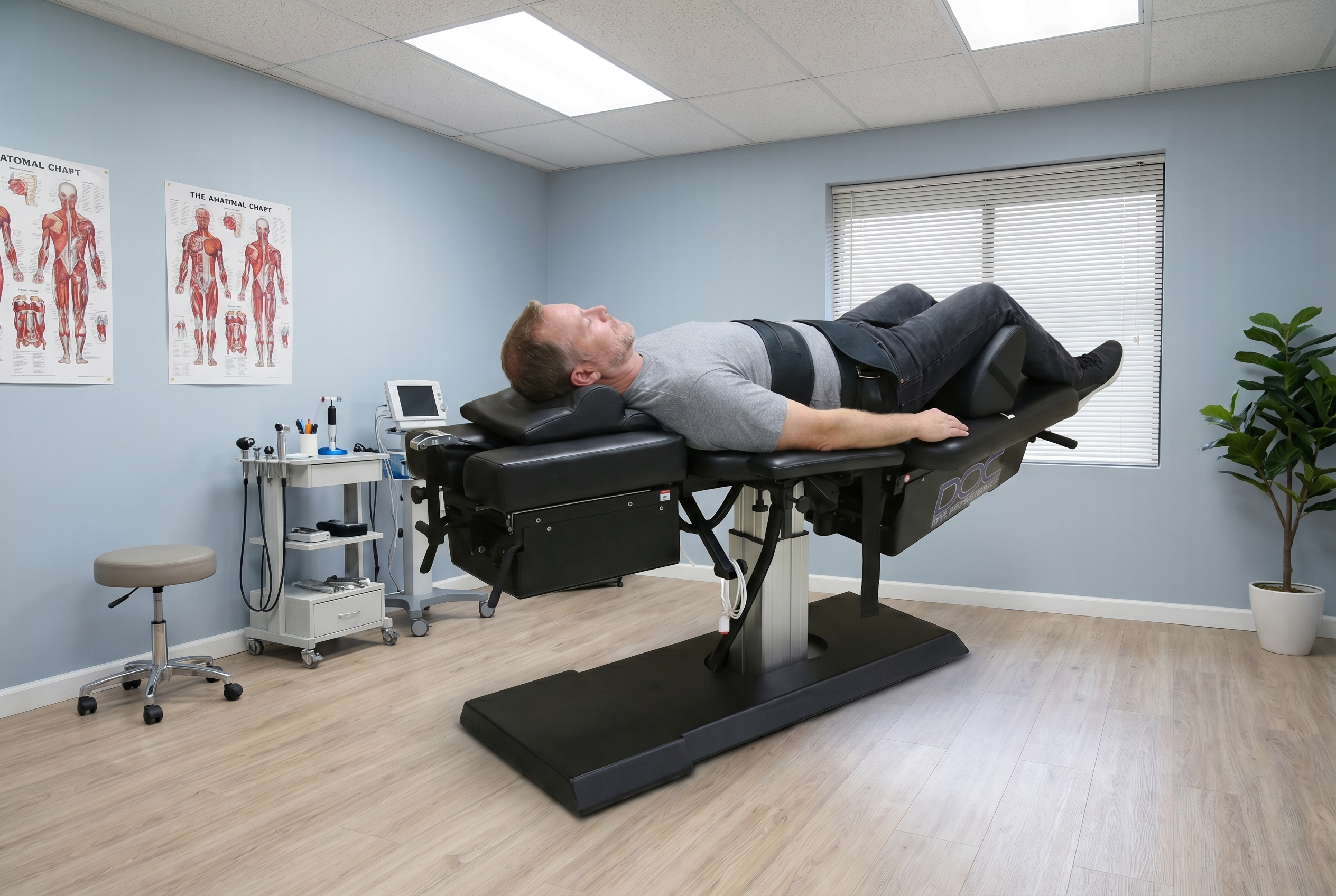
Our approach centers on non-surgical spinal decompression therapy — a targeted, evidence-based treatment that directly addresses the mechanical and structural issues DDD creates. By applying precise, controlled traction to the affected disc levels, decompression reduces intradiscal pressure, creates space for the compressed disc to rehydrate, and relieves the nerve irritation driving your pain.
Unlike medication — which masks symptoms — or surgery — which carries serious risks — decompression works with your body's own healing mechanisms to restore disc function and interrupt the pain cycle at its source.
- FDA-cleared, non-invasive decompression therapy
- Targets the specific disc levels confirmed by your imaging
- Comfortable 30-minute sessions with no downtime
- Personalized plan built around your condition, severity, and goals
Your Personalized Treatment Plan
Your first appointment begins with a thorough evaluation — a detailed symptom history, spinal exam, and review of your MRI or imaging to identify which disc levels are affected and how severely. From there, a customized treatment plan is built around your specific condition and goals, not a one-size-fits-all approach.
Because DDD is a progressive condition, treatment timelines vary based on the extent of degeneration, which levels are involved, and how long you've been symptomatic. We monitor your progress at every step, adjusting your plan as needed to keep you moving in the right direction.
"Our goal isn't to manage your pain indefinitely — it's to address the underlying disc problem and get you back to living without DDD running the show."

Frequently Asked Questions
Schedule Your Degenerative Disc Consultation
Chronic disc pain is not something you have to live with — and surgery isn't your only alternative. Relief is possible, and it starts with understanding exactly what's happening in your spine. We're accepting new patients from Canton, North Canton, Massillon, Jackson Township, Belden Village, and surrounding communities.