
Real Relief from
Spinal Stenosis
Spinal stenosis doesn't have to mean permanent nerve pain, leg weakness, or a slow surrender to inactivity. The right non-surgical treatment can open the space your spine has lost — and give you your life back.
Spinal stenosis is one of the most common causes of chronic back pain, leg pain, and neurological symptoms in adults over 50 — and it's also one of the most overtreated conditions in orthopedic medicine. Many patients are told surgery is their only real option before they've ever tried a structured, targeted non-surgical approach. At Advanced Disc & Joint Solutions, we've spent 40+ years proving that isn't true.
Our non-surgical treatment protocol is built around the specific mechanics of your stenosis — where it is, how severe, what structures are involved, and what's driving your symptoms. If spinal stenosis has been limiting your movement, disrupting your sleep, or pushing you toward surgery, we want to talk first.
What Is Spinal Stenosis?
Spinal stenosis is a narrowing of the spaces within the spine — most commonly the spinal canal (central stenosis) or the nerve root exit points (foraminal stenosis). When those spaces shrink, the structures passing through them — the spinal cord, nerve roots, and cauda equina — can become compressed. That compression is what produces pain, numbness, tingling, and weakness.
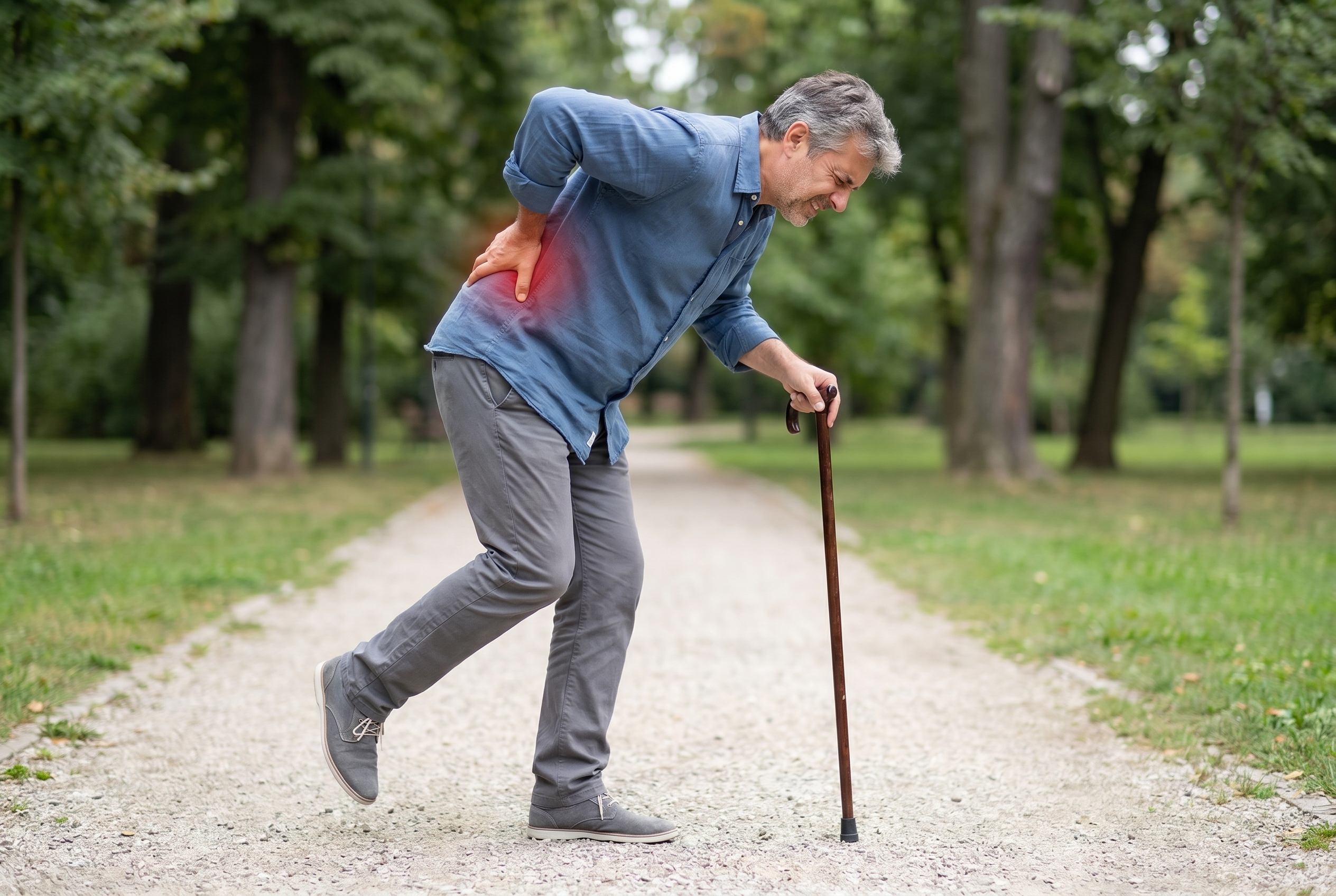
Stenosis is most common in the lumbar spine (lower back), where it frequently causes a condition called neurogenic claudication — leg pain, cramping, or heaviness that worsens with walking or standing and improves with sitting or leaning forward. It also occurs in the cervical spine (neck), where compression can affect the arms, hands, and in more severe cases, overall coordination and balance.
Stenosis is a structural problem — but structure can be addressed without surgery. Decompression therapy directly reduces the compressive forces driving your symptoms, and for many patients, the results are substantial.
What Causes Spinal Stenosis?
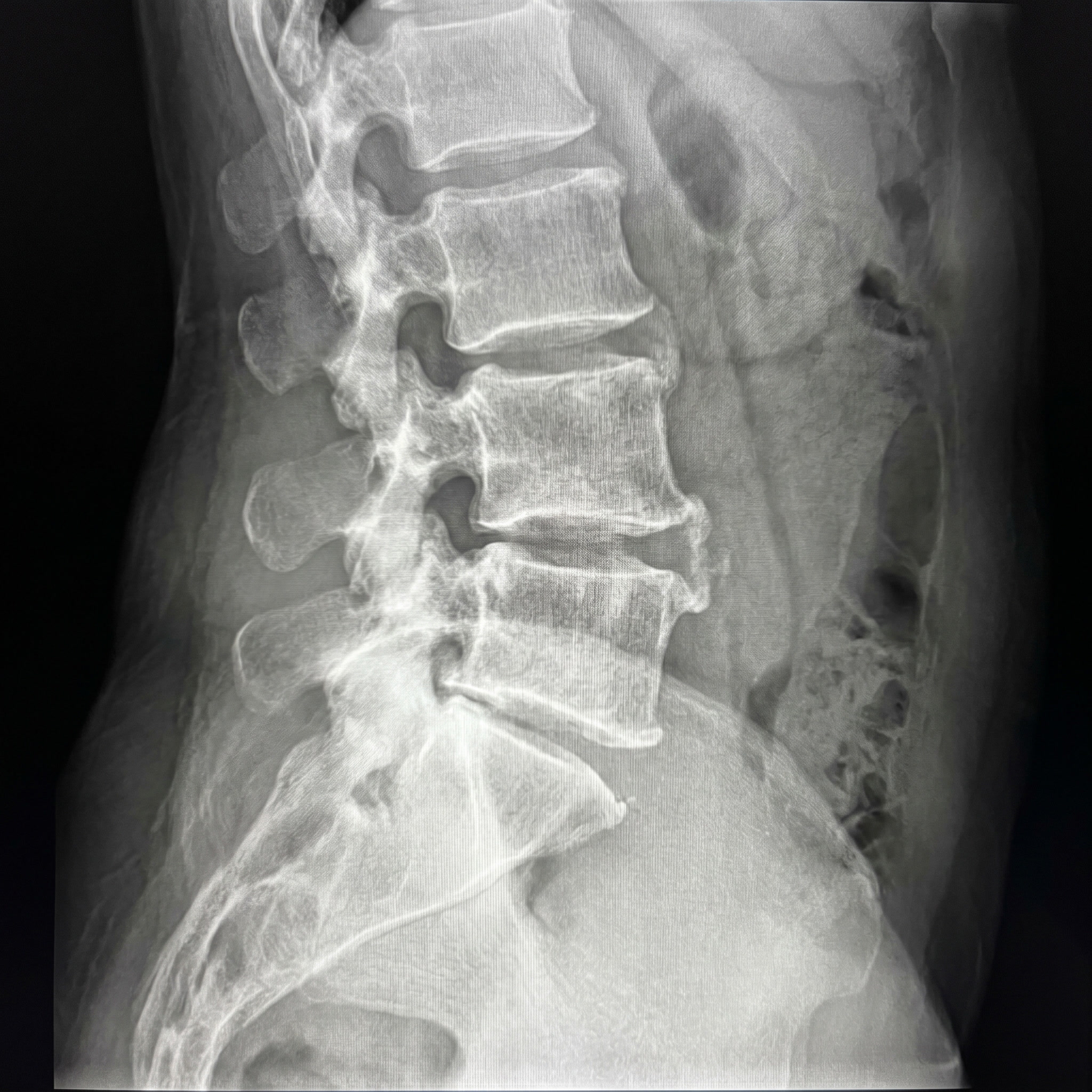
Most spinal stenosis develops gradually as a consequence of age-related changes to the spine's discs, joints, and ligaments. But aging alone doesn't tell the whole story. These are the contributing factors we see most often in patients from Canton, Massillon, North Canton, and across Stark County.
- Disc Degeneration & Herniation — As discs lose height and bulge outward, they reduce the space available in the spinal canal and foramina. A herniated disc can directly compress a nerve root, producing acute stenotic symptoms even in younger patients.
- Bone Spur Formation (Osteophytes) — The spine responds to disc degeneration and joint instability by growing bone spurs — bony projections that can encroach on the spinal canal and nerve exit points, tightening an already compromised space.
- Ligament Thickening — The ligamentum flavum, which lines the back of the spinal canal, can thicken and buckle with age — further reducing canal space and increasing nerve compression, particularly during extension movements.
- Facet Joint Arthritis — Degenerative changes to the facet joints that connect each vertebra can lead to joint enlargement and inflammation, narrowing the foraminal openings and contributing to the mechanical compression that produces stenotic symptoms.
Symptoms of Spinal Stenosis
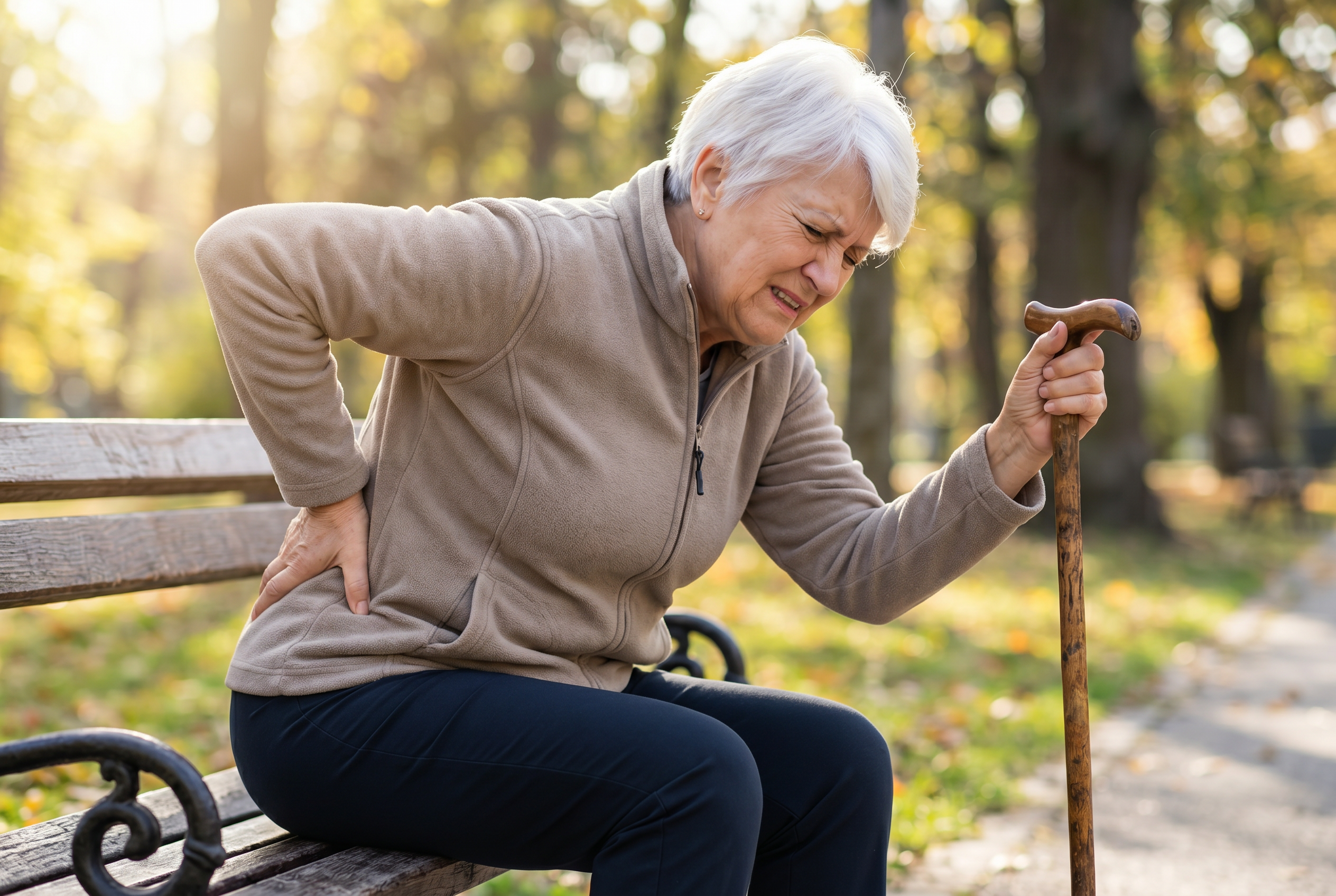
Stenosis symptoms are often position-dependent — they worsen with specific postures and ease with others. That pattern is clinically significant and can help us identify exactly where the compression is occurring and how to target treatment. If any of these are familiar, a proper evaluation is worth prioritizing.
- Lower back or neck pain that worsens with standing, walking, or spinal extension
- Leg pain, cramping, heaviness, or fatigue that improves when you sit or lean forward
- Numbness, tingling, or burning sensations in the buttocks, legs, or feet
- Arm or hand weakness, numbness, or loss of fine motor control (cervical stenosis)
- Difficulty walking distances that were previously manageable
- Bladder or bowel changes in severe cases — requires immediate evaluation
How We Treat Spinal Stenosis
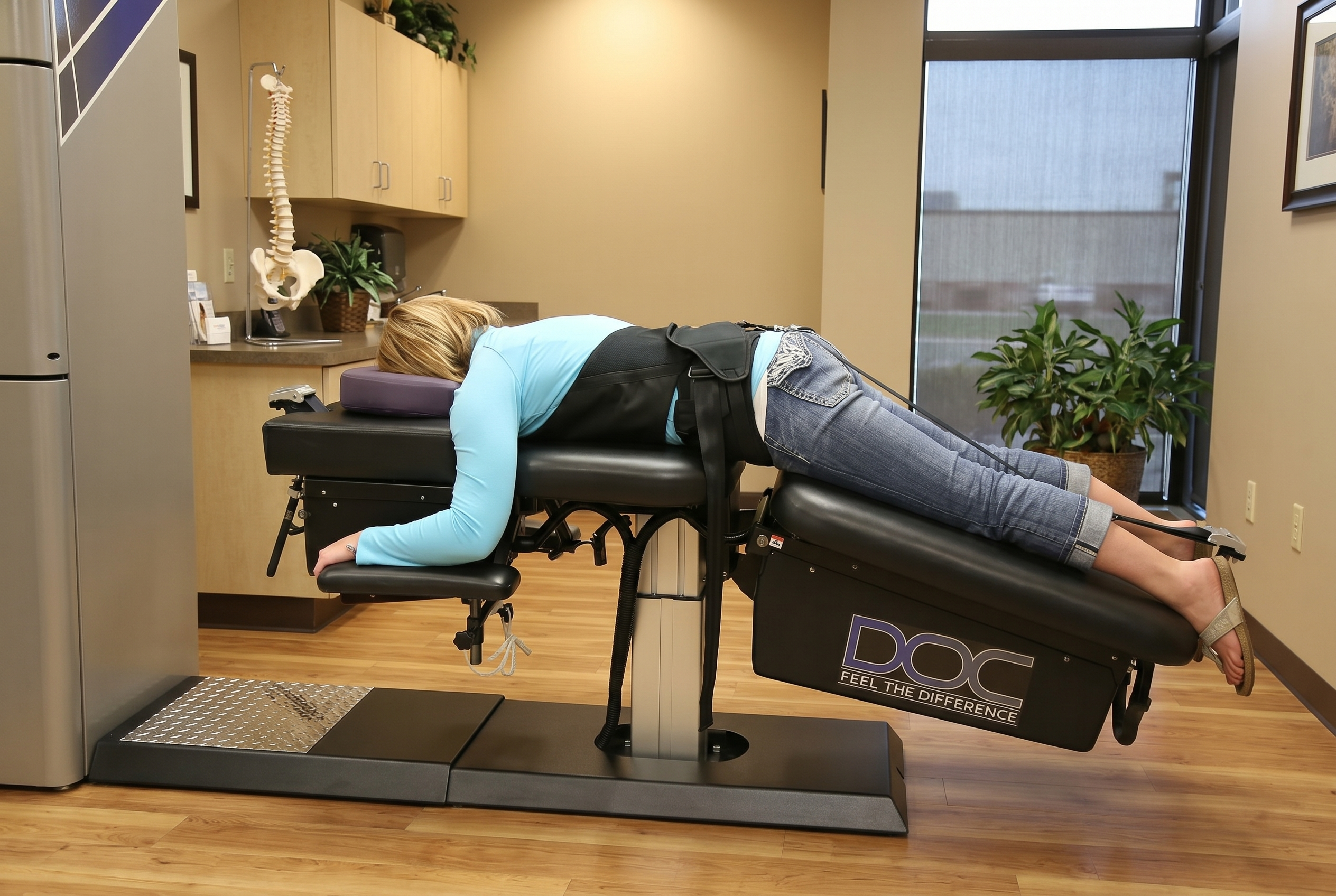
Our primary treatment for spinal stenosis is non-surgical spinal decompression — a targeted, evidence-based protocol that directly addresses the mechanical narrowing driving your symptoms. By applying precise, controlled traction to the affected spinal levels, decompression creates separation between the vertebrae, reduces compressive load on the spinal canal and foramina, and gives compressed nerves the space they need to recover.
Decompression doesn't just cover the pain — it works at the structural level, reducing the forces that are actively irritating your neural tissue. For many stenosis patients, this means meaningful reduction in leg symptoms, improved walking tolerance, and a restoration of daily function they thought was gone for good.
- FDA-cleared, non-invasive decompression therapy
- Targets the specific stenotic levels confirmed by your imaging
- Comfortable 30-minute sessions with no downtime
- Personalized plan built around your condition, severity, and functional goals
Your Personalized Treatment Plan
Your first appointment begins with a comprehensive evaluation — a detailed symptom history, neurological exam, and review of your MRI or imaging to identify the specific levels of stenosis, assess the degree of canal or foraminal narrowing, and determine which structures are most involved. From there, a customized treatment plan is built around your case — not a generic template.
Stenosis treatment timelines depend on the severity of narrowing, how long symptoms have been present, and which spinal region is affected. We track your functional progress closely throughout your plan, adjusting treatment parameters as your spine responds, and communicating clearly so you understand what's happening at every stage.
"Our goal isn't to get you comfortable enough to cope — it's to address the structural compression that's limiting you and restore the function you've been told you've lost."

Frequently Asked Questions
Schedule Your Spinal Stenosis Consultation
Narrowing in your spine doesn't have to mean a narrowing of your life. Relief is possible without surgery — and it starts with understanding exactly what's happening at the affected levels. We're accepting new patients from Canton, North Canton, Massillon, Jackson Township, Belden Village, and surrounding communities.