The "Surgery-First" Myth: Why Non-Surgical Decompression Is the Smarter Path to Disc Recovery
At some point, someone sat across from you and said the word "surgery" as if it were the only road left. Maybe it was after an MRI. Maybe it was a specialist running through a checklist. Either way, it landed like a verdict: surgery is inevitable, so you'd better start preparing for it.
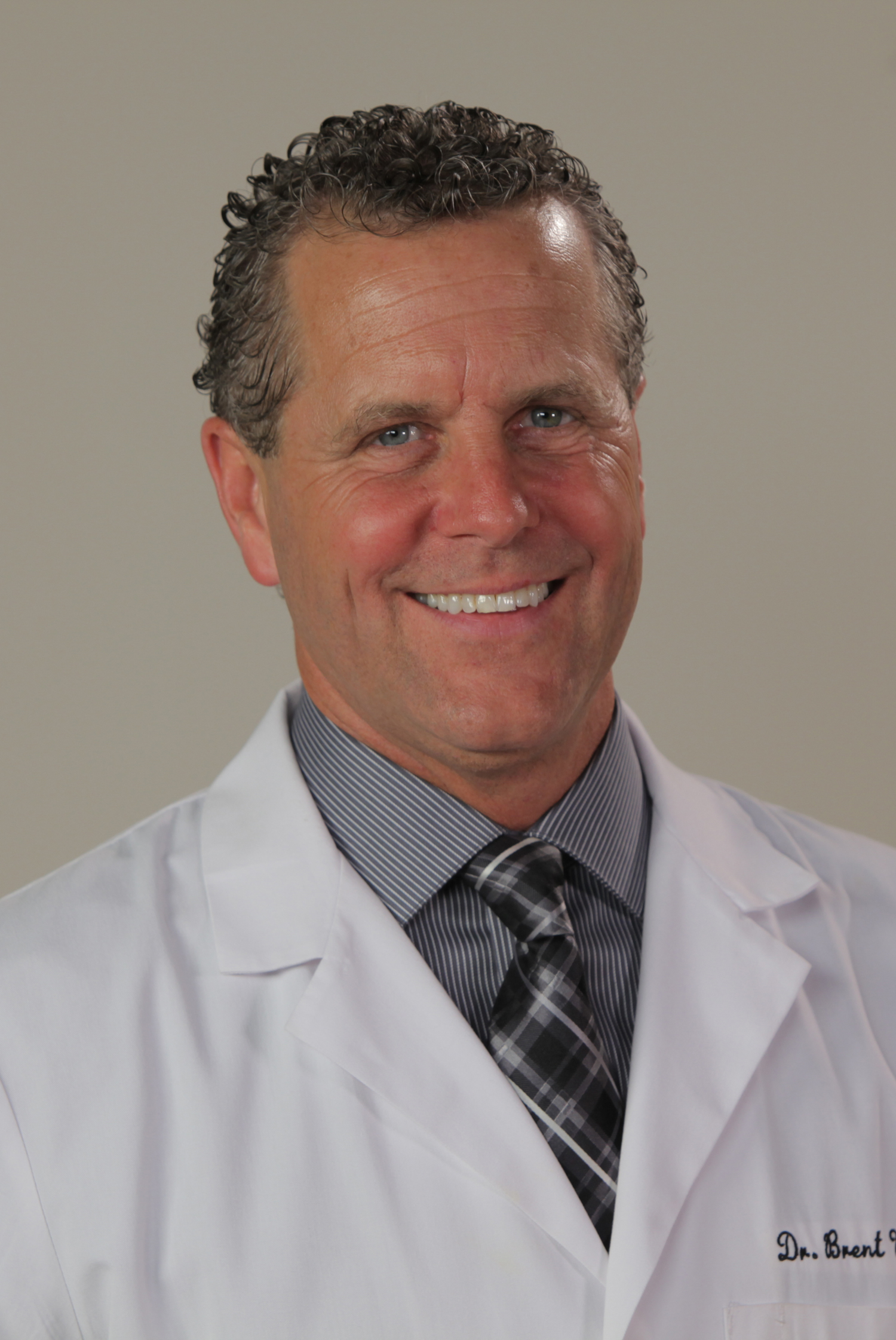
It's usually not true. Surgery has its place, and for certain cases it's the right call. But for a lot of patients who are told surgery is their only option, it isn't. There's a non-surgical path worth trying first, and at Advanced Disc and Joint Solutions in Canton, Ohio, Dr. Brent Ungar and the team see patients walk that path successfully every week.
Where the "Surgery-First" Idea Comes From
Nobody's lying to you. A lot of the medical system is just built around a pipeline: MRI, referral, surgical consult. If you're in pain and a scan shows a herniated or bulging disc, the fastest route through a busy system is often a referral to a surgeon. That doesn't make surgery the only option. It makes surgery the easiest option to hand off.
Surgery makes sense when there's real structural danger: progressive nerve damage, loss of bladder or bowel control, a disc problem that keeps getting worse despite genuine conservative care. Those cases exist, and they need a surgeon. Most disc-related pain isn't one of them. Most of it is mechanical, a disc putting pressure on a nerve, causing pain, numbness, or tingling, and that kind of pressure can often be relieved without removing part of your spine.
Different problem, different fix. Which is exactly why avoiding back surgery isn't reckless when there's a real alternative sitting in front of you.
What Non-Surgical Decompression Actually Does

Spinal decompression works on a simple idea. Gently stretch the spine, create space between the vertebrae, and take pressure off the disc and whatever nerve it's pinching. Over a series of sessions, that reduced pressure can let fluid and nutrients back into the disc, supporting the body's own healing instead of cutting the disc out or fusing the spine around it.
Compare that to a laminectomy, where a surgeon removes part of the bone (the lamina) to relieve pressure on the spinal cord or nerves. It can be the right move for someone with severe spinal stenosis or nerve compression that isn't responding to anything else. It's also permanent; it comes with real recovery time, and like any surgery, it carries risk: infection, nerve damage, bone that isn't coming back once it's removed.
If a non-surgical option can get similar relief without cutting into your spine, most people would rather try that first. That's the logic behind looking for the best alternative to laminectomy before agreeing to one.
Is It Actually Safe?
Fair question. Spinal decompression safety comes down to two things: who's doing it, and whether it fits your specific problem.
Decompression isn't a machine you get strapped into and left alone with. At Advanced Disc and Joint Solutions, every patient starts with a real evaluation. Not just a glance at the MRI, but a look at your symptoms, your history, how your body has responded so far. Not everyone is a candidate, and part of the job is being honest about whether you are one, not running everyone through the same protocol regardless of what's going on.
Done properly, it's low-risk and non-invasive. No incision, no anesthesia, no recovery room. Most patients go through a session and get on with their day. That doesn't mean it works for everyone. It means that if it doesn't help as much as hoped, the downside is much smaller than the downside of a surgery that didn't need to happen.
Why Try Non-Surgical First
Surgery is hard to undo. Once a disc is removed or a segment of spine is fused, you don't get to go back and try something more conservative afterward. Decompression works the other direction. Helps? You've avoided a major procedure. Doesn't help as much as hoped? Surgery is still there if you truly need it.
That's what non-surgical disc repair really comes down to: giving the body a real shot at healing under the right conditions before assuming the fix is to open you up.
Plenty of patients who come through Advanced Disc and Joint Solutions were told surgery was next. Some had already scheduled the consult. What they hadn't gotten, in a lot of cases, was a straight explanation of what was actually happening in their spine, or a chance to try something less drastic first.
What This Looks Like for You
If you've been told surgery is inevitable, ask a few things first. Is there real structural danger, progressive weakness, loss of bladder or bowel control? Or is this pressure on a disc and a nerve, exactly the kind of problem decompression is built for? Has anyone actually walked you through your MRI and what it means for your symptoms, or were you just handed a referral?
If you're in the Canton or Jackson Township area and have been told you need surgery, get a second opinion before you schedule anything. Dr. Ungar and the team at Advanced Disc and Joint Solutions will look at your MRI, talk through your symptoms, and give you a straight answer on whether non-surgical decompression is realistic for you. No pressure, no pipeline.
Request a consultation at 330-302-1217 or visit advanceddiscandjointsolutions.com. Surgery might still be the right call down the road. It just shouldn't be the first thing anyone reaches for, and it definitely shouldn't be the only option you're told you have.