Don't Blame it on "Old Age": Why Degenerative Disc Disease isn't a Life Sentence
Have you ever caught yourself saying, "Well, I'm just getting older" when your back starts to ache? You're not alone. Millions of Americans over 60 accept chronic pain as an unavoidable part of aging. But here's the truth that might surprise you: while changes in your spine are common as you age, living in constant pain is not something you have to accept.
Degenerative disc disease and spinal stenosis are two of the most frequently diagnosed spinal conditions in older adults. Yet many people resign themselves to a life of limited mobility without ever exploring treatment options that could restore their quality of life. The good news? There is a clear path to maintaining your independence and staying active well into your golden years.
What Actually Happens to Your Spine as You Age?
Before we talk about solutions, let's understand what's really going on with your back. Your spine is made up of bones called vertebrae, and between each vertebra sits a soft, rubbery disc. These discs act like cushions, absorbing shock and allowing your spine to bend and twist.
Over time, these discs naturally lose some of their water content and become less flexible. This is what doctors call degenerative disc disease. It sounds scary, but it's actually a normal part of aging that happens to almost everyone.
Spinal stenosis is a related condition where the spaces within your spine narrow, putting pressure on the nerves. This can cause pain, numbness, or weakness, especially in your lower back and legs.
Here's what's important to remember: having these structural changes doesn't automatically mean you'll experience pain. Many people have significant disc degeneration on their imaging studies but feel perfectly fine. The key is addressing the functional problems that cause your symptoms.
Why Does Accepting the Pain Make Things Worse?
When you accept back pain as "just part of life," something dangerous starts to happen. You begin to move less. You skip the morning walk. You stop gardening. You decline invitations to play on the floor with your grandchildren.
This gradual withdrawal from activity creates what healthcare professionals call a downward spiral. Here's how it works:
Less movement leads to weaker muscles
Weak muscles provide less support for your spine
Poor spinal support leads to more pain
More pain leads to even less movement
The cycle continues until you find yourself unable to do the things that once brought you joy. The cost of "waiting it out" isn't just physical. It affects every aspect of your daily life, from your sleep to your mood to your relationships.
Is Surgery My Only Option for Spinal Stenosis Relief?
This is one of the most common questions we hear, and the answer may bring you relief: surgery is rarely the first or only option.
Many patients find meaningful relief through conservative treatments, including chiropractic care, physical therapy, and specific exercise programs.
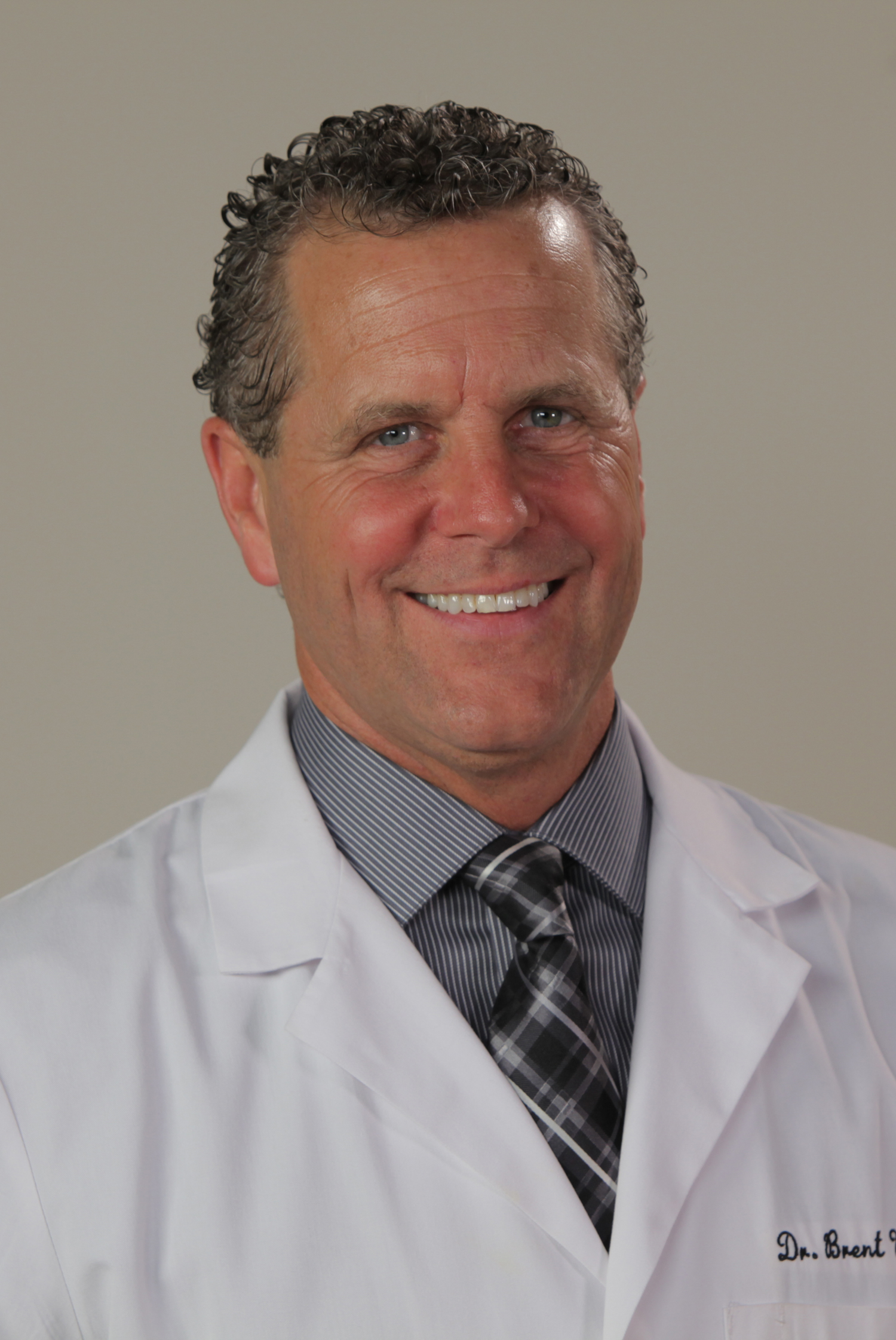
Dr. Brent Ungar, a Canton, Ohio chiropractor with over 40 years of experience, often sees patients who believe surgery is their only path forward. "Many of our patients are surprised to learn how much improvement is possible without surgery," says Dr. Ungar. "The key is addressing the underlying functional problems, not just masking the symptoms."
Chiropractic care focuses on the alignment and movement of your spinal joints. When these joints move properly, there's less pressure on the nerves and surrounding tissues. This approach targets the root cause of your pain rather than simply covering it up with medications.
Can Spinal Decompression Help with Degenerative Disc Disease?
The short answer is yes — and for many patients, it's one of the most effective nonsurgical options available.
Here's how it works: spinal decompression therapy gently stretches the spine using a specialized traction table, creating negative pressure inside the affected disc. That change in pressure does something remarkable — it allows the disc to rehydrate, encourages nutrients and oxygen to flow back into damaged tissue, and takes pressure off the nerves that have been signaling pain. For people with degenerative disc disease and spinal stenosis, that relief can be significant.
At Advanced Disc & Joint Solutions, spinal decompression is the centerpiece of care — but it doesn't work alone. The team pairs it with complementary therapies like massage therapy and laser therapy to address your condition from multiple angles. The goal is lasting improvement, not just temporary relief.
"We treat many patients who have had chronic and persistent problems causing them aches and pains over extended periods of time," explains the team at Advanced Disc & Joint Solutions. "These patients often come back on a regular basis to manage their pain and improve their function so they can enjoy everyday activities."
What Does Life Look Like After Finding Relief?
Imagine waking up in the morning and getting out of bed without that familiar stiffness. Picture yourself taking a walk through your neighborhood without having to stop and rest every few minutes. Think about being able to play with your grandchildren, tend your garden, or travel without constant worry about your back.
This isn't a fantasy. It's what real relief looks like for patients who take action instead of accepting pain as their new normal.
The benefits of proper spinal care extend far beyond just reducing pain:
Better sleep quality becomes possible when you're not waking up throughout the night
Improved balance and reduced fall risk help you move with confidence
Greater independence in daily activities means you stay in your own home longer
More energy for the things you love replaces the exhaustion that comes with chronic pain
A better mood and outlook on life naturally follows when you're not constantly battling discomfort
When your back feels better, everything feels better.
How Can I Stay Active After 60 with Back Pain?
Staying active is actually one of the best things you can do for your back, but it needs to be the right kind of activity. Here are some general guidelines that many healthcare providers recommend:
Walking is often called the perfect exercise for people with back issues. It's low-impact, gets your joints moving, and strengthens the muscles that support your spine. Start with short distances and gradually increase as you feel more comfortable.
Gentle stretching helps maintain flexibility in your spine and the muscles around it. Your chiropractor can show you specific stretches that are safe and beneficial for your particular condition.
Swimming and water exercises are excellent options because the water supports your body weight while allowing you to move and strengthen muscles.
The important thing is to work with a healthcare provider who understands your specific condition. A chiropractor can help you develop a personalized plan that takes into account your current fitness level, your goals, and any limitations you may have.
Taking the First Step Toward Relief
If you've been telling yourself that back pain is just something you have to live with, today is the day to challenge that belief. Degenerative disc disease and spinal stenosis are manageable conditions. With the right care, you can maintain your mobility, your independence, and your quality of life.
The team at Advanced Disc & Joint Solutions has been helping Canton, Ohio residents find relief from back pain for over 30 years. They understand the unique needs of older adults and create personalized treatment plans designed to help you get back to doing what you love.
Don't let another day go by accepting pain as your new normal. Call us at 330-302-1217 to schedule an initial consultation and discover how we can help you reclaim your active lifestyle.
Your "old age" pain might just be a treatable condition waiting for the right approach. Take that first step today.